
Flat Clearance Swiss Cottage — Health & Safety Policy
Purpose and scope
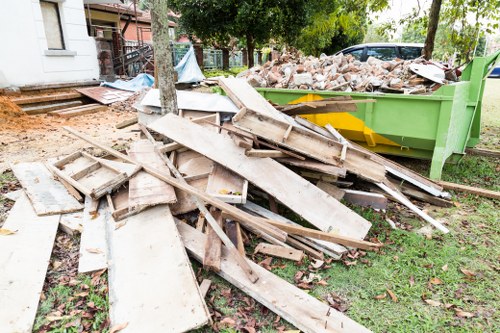
This Health and Safety policy sets out the commitment of the flat clearance and rubbish removal service to protect employees, contractors, residents and visitors during clearance, disposal and recycling operations. The policy applies to all clearance projects, removal jobs, and associated site activities carried out by the team. It emphasises safe methods for flat clearance, waste handling and transport, and demonstrates how the service manages risks arising from bulky waste, hazardous items and operational equipment.
Responsibilities and accountability
Management will ensure that appropriate resources are provided to achieve the policy aims. Supervisors and crew leads are responsible for enforcing safe working practices, conducting pre-job briefings and ensuring that documented risk assessments are implemented. Every operative has a duty to work safely, report hazards and use personal protective equipment. Visitors and clients are asked to cooperate with safety instructions to maintain a secure environment during clearance operations.
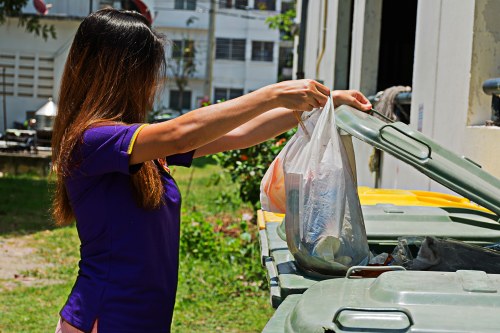
Risk assessment is central to our approach. Before any flat removal or rubbish collection, a dynamic risk assessment is completed to identify manual handling risks, trip and fall hazards, potential asbestos or sharps, and the presence of hazardous household chemicals. Control measures include safe stacking, mechanical aids for heavy items, clear walkways and traffic management where vehicles are present. Where specialist disposal is required, items are classified and segregated according to regulatory guidance.
Training and competence are maintained through regular instruction, toolbox talks and refresher sessions. All operatives receive manual handling training, instruction on safe use of lifting equipment and on-site induction. Supervision ensures that inexperienced team members work alongside trained staff until competency is demonstrated.
Personal protective equipment (PPE) is supplied and its use is mandatory where risks require it. This includes gloves, safety boots, hi-vis garments, eye protection and respiratory protection when dust or fumes may be present. PPE is regularly inspected and replaced as necessary. The company adopts a hierarchy of controls: elimination, substitution, engineering controls, administrative controls and PPE as the final barrier.
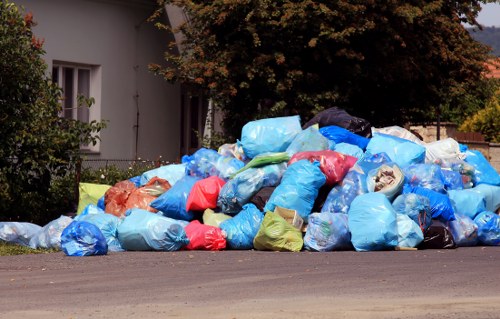
Waste handling and environmental controls cover segregation of recyclable materials, safe containment of loose debris and correct containment of contaminated or hazardous wastes. A clear procedure details the safe removal of electrical appliances, furniture, construction debris and household chemicals. Items suspected of containing asbestos are left undisturbed and reported for specialist removal. Vehicles used for rubbish collection are loaded to safe limits and sheeted to prevent littering during transit.
Emergency procedures include first aid provision, access for emergency services, and clear reporting lines for incidents. All incidents, near misses and hazardous observations must be reported immediately using the company’s reporting system so that prompt action and investigation can occur. Lessons learned are incorporated into practices to prevent recurrence.
Maintenance of equipment and safe plant operation are essential. Regular checks of trolleys, hand trucks, lifting straps and vehicle securing systems are carried out and documented. Where powered equipment is used for heavy clearances, operators are authorised and trained. Hot work is controlled and only permitted with written approval and suitable fire precautions.
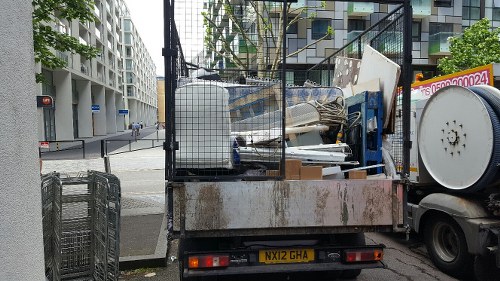
Monitoring, review and continuous improvement — the policy is reviewed annually and after any significant incident or change in legislation. Compliance is monitored through site inspections, audits and consultation with staff. Key performance indicators include incident rates, completed training records and timely completion of risk assessments. The organisation promotes a safety culture where suggestions for improvement are welcomed and evaluated.
In summary, this safety policy underpins the delivery of quality flat clearance and rubbish removal services by integrating risk management, training, correct PPE use and environmental controls. It supports a proactive, practical approach to protecting people and property during clearance activities and ensures we meet our obligations while providing an efficient removal and clearance service.