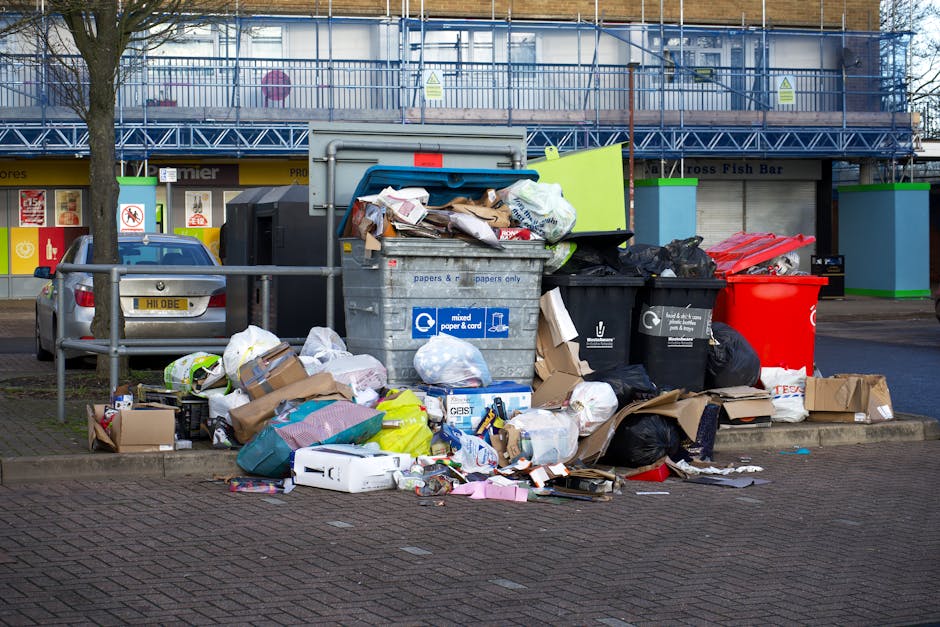
Flat rubbish collection Avenue Road Swiss Cottage NW3: a practical local guide for stress-free clearance
If you live on Avenue Road in Swiss Cottage and the flat is getting crowded with unwanted furniture, broken appliances, bagged rubbish, or renovation debris, you are not alone. Flat rubbish collection Avenue Road Swiss Cottage NW3 is one of those jobs that looks simple until you try moving bulky waste down stairs, through narrow hallways, and out into a busy London street. Then the reality hits. Where do you put it all, what can be taken, and how do you avoid a messy, last-minute scramble?
This guide explains how the process works, what to expect, what to avoid, and how to choose the right kind of clearance for a flat in NW3. It is written for everyday situations: end-of-tenancy clear-outs, landlord refreshes, probate clearances, post-refurbishment waste, or just finally dealing with the spare room that has become a storage cave. Let's make it straightforward.
Contents
- Why Flat rubbish collection Avenue Road Swiss Cottage NW3 Matters
- How Flat rubbish collection Avenue Road Swiss Cottage NW3 Works
- Key Benefits and Practical Advantages
- Who This Is For and When It Makes Sense
- Step-by-Step Guidance
- Expert Tips for Better Results
- Common Mistakes to Avoid
- Tools, Resources and Recommendations
- Law, Compliance, Standards, or Best Practice
- Options, Methods, or Comparison Table
- Case Study or Real-World Example
- Practical Checklist
- Conclusion
- Frequently Asked Questions
Why Flat rubbish collection Avenue Road Swiss Cottage NW3 Matters
A flat clearance is not the same as a house clearance, and it is definitely not the same as putting out a few black sacks. In a flat, every decision is shaped by access, time, neighbours, and the building itself. Avenue Road and the wider Swiss Cottage area often include mansion blocks, converted buildings, and shared entrances where lift access may be limited or loading space is tight. That changes everything.
Rubbish left too long in a flat can quickly become more than an eyesore. It can block hallways, create trip hazards, attract pests, make cleaning harder, and add stress at the exact moment you want the place under control. If you are selling, moving out, or preparing for tenants, the pressure rises again. No one wants to hand back keys with a pile of broken chairs and a mattress still sitting in the corner.
There is also the practical side. Flat rubbish collection in this part of NW3 matters because the job usually has to be done neatly, quickly, and with proper care for the property. Good clearance work protects floors, walls, communal areas, and relationships with neighbours. That sounds obvious, but honestly, it is where a lot of rushed jobs go wrong.
Expert summary: The best flat rubbish collection is not just about removing waste. It is about removing it without disrupting the building, delaying your plans, or leaving you with a bigger clean-up afterwards.
How Flat rubbish collection Avenue Road Swiss Cottage NW3 Works
At its best, the process is simple. You describe what needs to go, the team assesses access and volume, then the rubbish is removed in one planned visit. For a flat on Avenue Road, that typically means checking whether the waste is inside the flat, down a set of stairs, in a lift-access block, or spread across multiple rooms.
The collection itself usually starts with sorting. Not every item is handled in the same way. Reusable furniture, recyclable materials, electronic items, and general waste often need different treatment. A careful crew will separate items where possible instead of just throwing everything into one pile. That is better for efficiency, and better for recycling too.
If you need a broader clearance rather than simple rubbish removal, the service may overlap with flat clearance or even home clearance if the property needs a fuller reset. For bulky items, a specialist service such as furniture clearance can save a huge amount of lifting and guesswork.
Some properties also need specific handling for items like white goods, mattresses, or sofas. In those cases, it helps to use dedicated services like fridge and appliance removal or mattress and sofa disposal. That kind of specificity matters more than people think. A fridge is not just "another bulky item", especially once you factor in weight, awkward handling, and disposal rules.
For many flats, the practical flow looks like this:
- You identify what needs removing and what stays.
- You check access, parking, and any building rules.
- You get a quote based on volume, item type, and labour.
- The team arrives, loads the waste, and clears the space.
- Items are taken for reuse, recycling, or disposal as appropriate.
That is the basic model. The detail varies, of course, but that is the rhythm of a well-run collection.
Key Benefits and Practical Advantages
The biggest benefit is speed. When a flat is full of rubbish, the difference between "I'll deal with it later" and "it's gone today" is enormous. You regain floor space, airiness, and a bit of peace of mind. Funny how much better a room feels when you can see the floor again.
Another major benefit is convenience. Carrying bulky items down several flights of stairs is tiring at the best of times, and in an older building it can become awkward very quickly. A professional collection reduces the chance of damage to walls, bannisters, door frames, and your back. To be fair, your back will thank you.
There is also the value of proper sorting and disposal. Reputable waste services aim to divert useful materials from landfill where possible, and that is where a page like recycling and sustainability becomes relevant. If you care about keeping the job tidy and responsible, this is not a side issue. It is part of the job.
For landlords, estate agents, and homeowners preparing a sale or new tenancy, clean-out work can also improve presentation fast. A bare, clean room photographs better, smells better, and feels more manageable. Even a half-day difference can matter when move-out dates are tight.
- Less manual lifting
- Less stress with shared entrances and stairwells
- Faster turnaround for tenants, sales, or refurbishments
- Better separation of recyclable items
- Reduced risk of accidental damage in the building
Who This Is For and When It Makes Sense
Flat rubbish collection in Avenue Road Swiss Cottage NW3 is useful for a wide range of people, and the reasons are more varied than you might expect.
It makes sense if you are moving out and need a flat emptied quickly. It also makes sense if a tenant has left items behind, if you are dealing with inherited belongings, or if a renovation has created a backlog of debris. Builders' mess is a particular one. Small piles of plaster, timber offcuts, packaging, and broken fittings look harmless until they have been sitting there for a week. Then they're just in the way.
If the job includes refurbishment waste, builders waste clearance is often a better fit than general rubbish removal. For office-style premises or mixed-use spaces, office clearance or business waste removal may be more suitable, depending on what is being taken.
Homeowners also use this kind of service when they are reclaiming a room that has become storage. You know the one. The spare room where "temporary" stuff has lived for three years. Bags, boxes, random cables, old lamps, maybe a broken exercise bike nobody can quite admit was a mistake. It happens.
And yes, it is a strong option when time matters. If you are dealing with a deadline, a clearance service often beats DIY trips to the tip because it compresses several jobs into one organised visit.
Step-by-Step Guidance
If you want the smoothest possible flat rubbish collection, a little preparation goes a long way. Nothing dramatic. Just sensible planning.
- Walk through the flat room by room. Decide what is going, what is staying, and what might need special handling.
- Separate obvious categories. Keep furniture, electrical items, general waste, and confidential paper apart where possible.
- Note access issues. Stairs, lifts, narrow corridors, parking restrictions, and entry codes can all affect the job.
- Identify awkward items early. Fridges, sofas, mattresses, and heavy wardrobes often need special lifting and disposal arrangements.
- Ask about the disposal route. If recycling or reuse is important to you, say so before collection day.
- Clear the path. This is the bit people forget. Move small objects, rugs, bins, and fragile items out of the way so the team can work safely.
- Check the final sweep. After collection, do a slow walk-through and make sure nothing important has been taken by mistake.
A quick tip from real life: if something is staying, mark it clearly. A strip of tape or a note on the item can save a lot of unnecessary confusion. The same goes for shared storage areas. A well-labelled pile is a calmer pile.
If you need to book in advance, the site's book online page is the natural next step, especially if you want to line up a date around a move or refurbishment schedule.
Expert Tips for Better Results
First, do not treat every item as equal. Some things are easy to remove, while others create hidden complications. A wardrobe with no doors is one thing. A wardrobe with mirrors, broken fixings, and a narrow staircase is another. The more honestly you assess the job upfront, the smoother it will go.
Second, think about the building before you think about the waste. In flat clearances, access usually matters more than volume. A modest load in a fifth-floor flat can be harder than a larger load in a ground-floor property. That is just the way it goes.
Third, be careful with items that might contain special materials, liquids, or sharp parts. If you are unsure about an item, ask before collection rather than after. For anything that could be classed as hazardous or difficult to handle, the safer route is to review hazardous waste disposal and keep it separate from general rubbish.
Fourth, use the chance to simplify. If you are removing a sofa, that might be the right moment to decide whether other worn-out furniture should go too. A single collection can solve several problems at once, which is the whole point really.
And finally, choose a company that speaks plainly. Clear pricing, honest timescales, and no vague promises are worth more than polished sales talk. Trust the people who explain what will happen, not the ones who make everything sound mysteriously effortless.
Common Mistakes to Avoid
One of the most common mistakes is underestimating the amount of waste. A flat can look manageable until everything gets pulled out of cupboards, under-bed storage, and the back of wardrobes. Then the pile suddenly grows teeth.
Another mistake is ignoring access. If there is no easy parking or the lift is small, the job may take longer than expected. That does not mean it cannot be done. It just needs to be planned properly. Failing to mention access details can lead to delays or revised pricing, which nobody enjoys.
People also mix waste types without thinking. General waste, recyclable materials, electrical items, and hazardous materials should not be treated the same way. That is especially important if you have appliances, old paint tins, cleaning chemicals, or broken fluorescent tubes. Mixed waste can complicate disposal and, in some cases, make the job unsuitable until the items are separated.
Then there is the "I'll sort it later" problem. To be fair, many flats reach that point because life gets busy. But if collection day is coming, anything you want to keep should be packed away and clearly marked. It is easy to forget a charger, a passport, or a small envelope in a drawer when the room is half-cleared.
- Not checking lift size or stair access
- Forgetting building rules or time restrictions
- Leaving fragile items mixed in with rubbish
- Assuming all bulky waste is handled the same way
- Waiting until the last minute to book
Tools, Resources and Recommendations
You do not need fancy equipment for a flat clearance, but a few simple tools make everything easier. Strong sacks, labels, tape, gloves, and a marker pen will sort out more problems than you might expect. A torch helps too, especially in cupboards, loft hatches, or dim corners behind old furniture.
If you are dealing with confidential paperwork or old files, use a separate process instead of tossing everything into mixed waste. The site's confidential shredding option is relevant here. It is a small thing, but a useful one if you want to protect personal or business information.
For households clearing out appliances or old seating, the specific disposal pages can help you think in categories rather than "stuff." Fridge and appliance removal and mattress and sofa disposal are practical examples of this. It makes planning cleaner, and it avoids the all-too-common habit of shoving everything into one mountain by the front door.
If you are weighing clearance against skip hire, the page on what can go in a skip is useful for understanding what items can and cannot be loaded that way. And if you want a sense of pricing factors before you commit, have a look at pricing and quotes. That is often where people get their bearings before booking.
Law, Compliance, Standards, or Best Practice
For rubbish collection in a flat, the main compliance point is simple: waste should be handled responsibly, and the right type of waste should go to the right route. In the UK, there are expectations around duty of care, safe handling, and proper transfer of waste. You do not need to become a compliance expert yourself, but you should expect any provider to work sensibly and lawfully.
Good practice also means protecting communal areas. In apartment buildings, that usually includes hallways, lifts, door furniture, and any shared entrances. If a clearance team uses covers, plans lifting routes, and avoids scraping walls, that is a good sign. If they barrel through like they are moving a piano in a sitcom, less good.
Insurance matters too. A trustworthy provider should be able to explain how they handle accidental damage, staff safety, and public liability. That is why pages such as insurance and safety and health and safety policy are worth checking if you want reassurance before booking.
If you value your own standards as much as the end result, this is where best practice comes in: be honest about the waste, separate special items, provide access details, and use a team that is clear about recycling, handling, and disposal. No drama, just clean work.
Options, Methods, or Comparison Table
When people search for flat rubbish collection, they are often comparing a few different approaches. The right choice depends on access, volume, urgency, and the type of waste. Here is a simple comparison to help with decision-making.
| Method | Best for | Pros | Limitations |
|---|---|---|---|
| Professional flat rubbish collection | Mixed waste, bulky items, tight timelines | Fast, convenient, less lifting, suitable for flats | Usually depends on access and item type |
| Skip hire | Projects with lots of uniform waste | Good for ongoing work, simple drop-off model | Needs space, permits may be needed, loading can be awkward in flats |
| DIY tip run | Small volumes and easy access | Can be low-cost if you have transport and time | Time-consuming, physically demanding, repeated trips |
| Specialist item removal | Fridges, sofas, mattresses, appliances | Handled more safely and appropriately | Not a full solution for mixed flat clearances |
For many residents on Avenue Road, the professional collection route makes the most sense simply because flat access is the main obstacle. A skip might look cheaper at first glance, but in a multi-storey block it is not always the most practical option. That is the bit people discover after the fact, usually while staring at a full lobby and a lift that is just a little too small.
Case Study or Real-World Example
Here is a realistic example. A two-bedroom flat in Swiss Cottage is being prepared for new tenants after a long occupancy. The property contains a broken sofa, a mattress, several bags of general rubbish, an old fridge, and a scattering of smaller items from cupboards and the balcony. Nothing outrageous. Just enough to feel chaotic.
The first step is to separate what stays from what goes. The fridge and sofa are flagged as bulky items, the mattress is grouped with furniture waste, and the bags are left for general loading. The tenant or landlord also checks access: one lift, narrow corridor, and no easy loading bay for long periods. That means timing matters.
In this kind of job, a careful collection team works room by room, keeps the communal route clear, and removes the larger items first. The apartment is left empty enough for cleaning, and the follow-on work becomes much easier. Not glamorous. Just efficient.
The little win is usually the biggest win: once the waste is gone, the flat feels different. It is quieter. Cleaner. Less mentally noisy. Anyone who has been in a cluttered flat knows exactly what that means.
Practical Checklist
Use this quick checklist before your collection day.
- Confirm exactly what needs to be removed
- Separate keep items from waste
- Identify bulky, heavy, or fragile items
- Flag any electrical, hazardous, or confidential material
- Check lift access, stair access, and parking restrictions
- Clear hallways and routes from the flat to the exit
- Mark items that must not be taken
- Ask about recycling, reuse, and disposal methods
- Review the quote and understand what is included
- Do a final room-by-room check after the clearance
If you are moving in a hurry, print this mentally and just work through it once. That alone will save you from the usual last-minute panic.
Conclusion
Flat rubbish collection Avenue Road Swiss Cottage NW3 is really about making a difficult job feel manageable. The flat may be cluttered, the access may be awkward, and the deadline may be close, but with the right approach the whole thing can be dealt with cleanly and efficiently.
The key is preparation: know what is going, note access issues, separate special items, and choose a collection method that fits flat living rather than fighting against it. That is the difference between a stressful clear-out and one that quietly gets done.
If you are comparing options, looking at recycling, or planning a bigger reset of the property, a little structure goes a long way. And once the space is open again, you will feel it straight away. Honest. A room with less clutter just breathes better.
Get a free quote today and see how much you can save.
And if you are standing there wondering where to begin, start with the first bag, the first drawer, the first awkward chair. The rest usually follows.
Frequently Asked Questions
What is included in flat rubbish collection on Avenue Road Swiss Cottage NW3?
It usually includes removal of general household rubbish, bulky items, unwanted furniture, and sometimes mixed clearance waste from inside the flat. The exact scope depends on the provider and the items involved.
Do I need to move rubbish downstairs before collection?
Not necessarily. In many cases, the team can remove items from inside the flat, although access details matter. If the building has narrow stairs or limited lift access, it helps to explain that in advance.
Can you remove sofas, mattresses, and fridges from a flat?
Yes, those items are often collected as part of a flat clearance, but they may be handled under specific disposal categories. Sofas and mattresses are commonly grouped separately, and fridges or appliances usually need special handling.
Is flat rubbish collection better than hiring a skip?
For many flats, yes. Skip hire can work for some projects, but it is not always practical in apartment buildings where space, access, and loading conditions are limited. Collection services are often simpler for residential flats.
How do I prepare a flat for rubbish collection?
Sort keep items from waste, clear hallways, identify bulky or special items, and tell the provider about access issues. A few minutes of preparation can prevent delays on the day.
What happens to the waste after collection?
It is usually sorted for reuse, recycling, or disposal depending on the item type and condition. Reusable furniture or recyclable materials may be separated rather than sent straight to landfill.
Can you collect rubbish from a top-floor flat with no lift?
Yes, that is common in London properties. It may take more time and labour, so the access details should be shared when requesting a quote.
How much does flat rubbish collection cost?
Costs usually depend on volume, weight, item type, access, and labour needed. A small bag-only job will differ from a full flat clearance with bulky furniture and appliances.
What items should I not mix with general rubbish?
Hazardous items, confidential paperwork, and certain electrical or chemical waste should be kept separate. If you are unsure, ask before collection so the right disposal route can be used.
Do I need to be present during the collection?
That depends on the arrangement, but many people prefer to be there for the start or end of the job. It helps confirm access, answer questions, and do a final check afterward.
Is flat rubbish collection suitable for end-of-tenancy clear-outs?
Absolutely. It is one of the most common reasons people book this type of service, especially when time is tight and the flat needs to be handed back in good condition.
Where can I learn more about pricing, booking, and service details?
You can review the relevant service pages such as pricing and quotes, book online, and about us if you want more background before making a decision.