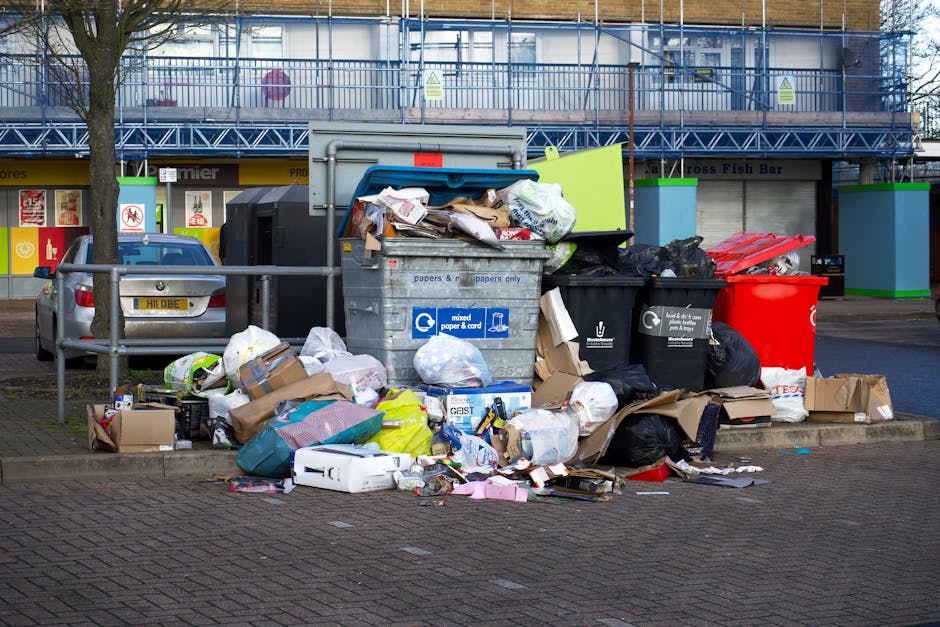
Estate rubbish clearance Belsize Road Swiss Cottage
Sorting out an estate clearance can feel oddly personal. One room is full of paperwork, another has furniture that nobody quite wants to throw away, and then there is the practical side too: time, access, stairs, parking, and the simple fact that the property still needs to be made ready for whatever comes next. Estate rubbish clearance Belsize Road Swiss Cottage is exactly the kind of job where a careful, organised approach makes a real difference.
Whether you are dealing with a probate property, helping a relative downsize, managing a landlord handover, or simply trying to clear a flat that has been left with more than expected, the aim is the same: remove unwanted items quickly, respectfully, and with as little stress as possible. In this guide, we will walk through how estate clearance works, what to expect in the Swiss Cottage area, common mistakes to avoid, and how to make sensible decisions if you need a reliable, practical clearance service. And yes, the details matter more than people often think.
Why Estate rubbish clearance Belsize Road Swiss Cottage Matters
Estate clearance is not just about getting rid of rubbish. That word, rubbish, can be misleading. In real life, an estate property often contains a mixed load: furniture, textiles, small appliances, papers, old carpets, decorative items, broken household goods, and sometimes items that need special handling. On Belsize Road and the wider Swiss Cottage area, properties can range from compact flats to larger homes, and access can be awkward. Narrow hallways, shared entrances, controlled parking, and lifted items from upper floors all affect how the job gets done.
For families, the emotional side can be just as challenging as the physical one. You may be dealing with a bereavement, a move into care, or the sort of delayed clear-out that everyone keeps meaning to do but never quite gets to. That is why estate rubbish clearance needs a calm, structured approach. It should reduce pressure, not add to it.
There is also a practical reason this matters. A delayed clearance can hold up probate arrangements, sale preparations, tenancy ends, or refurbishment work. If a property sits full of old belongings, it becomes harder to inspect, clean, photograph, or market. The knock-on effect can be surprisingly annoying. One small pile becomes a bigger job, and then somehow the hallway feels like a storage unit.
Expert summary: The best estate clearance is not the fastest one on paper; it is the one that is planned properly, handled respectfully, and leaves the property genuinely ready for the next step.
How Estate rubbish clearance Belsize Road Swiss Cottage Works
Most estate clearance jobs follow a similar pattern, but the best results come from careful preparation before the first item is lifted. A good service usually starts with a review of what needs removing. That may be done from photos, a call, or an in-person visit depending on the scale and complexity.
After that, the work is typically broken down into categories. Common items might include reusable furniture, general household waste, electrical items, bagged rubbish, cardboard, books, clothing, kitchen contents, and loft or garage contents. Anything hazardous, confidential, or especially bulky should be separated early so it can be handled properly. If you are dealing with sofas, mattresses, fridges, or mixed bulky items, it helps to plan these separately; pages like mattress and sofa disposal and fridge and appliance removal are useful references for those specific items.
On the day, teams normally clear room by room, loading items efficiently and leaving the property swept through at the end. Depending on the property and access, this may involve stair carries, careful navigation of tight spaces, and coordination with parking or loading restrictions. In a busy street, that part matters more than people expect. A van parked badly can turn a simple job into a mini traffic drama. Nobody wants that.
Some estates also include adjacent services such as house clearance, flat clearance, or home clearance, depending on the property type and how much needs to be removed. If the clearance includes furniture you want to dispose of separately, the service can often be aligned with furniture disposal or furniture clearance for a cleaner handover.
Key Benefits and Practical Advantages
There are several reasons people choose a professional estate clearance rather than trying to manage everything themselves.
- Less physical strain: Clearing an estate property means lifting, sorting, carrying, and loading. That gets tiring very quickly, especially with stairs.
- Faster property turnaround: A full property can often be cleared much more efficiently than doing it piecemeal over weekends.
- Better sorting of items: Reusable goods, recyclable materials, and waste streams can be separated more sensibly.
- Reduced stress: When you are already dealing with paperwork, relatives, or property deadlines, outsourcing the clearance helps.
- More suitable for mixed contents: Estate clearances often involve a bit of everything, not just one type of waste.
There is also a dignity factor. People sometimes forget this. A careful clearance team should treat the property and its contents respectfully, especially when the job follows a bereavement. That does not mean sentimental items are kept aside automatically; it means the process is handled with attention, not blunt force.
From a practical standpoint, estate clearance can also be a cleaner option than treating everything as general waste. If items can be reused or recycled, that is usually better for the environment and often makes the job more efficient overall. For readers interested in the wider approach, the page on recycling and sustainability explains the mindset well. It is not about making grand claims. It is about sensible sorting and responsible disposal.
Who This Is For and When It Makes Sense
Estate rubbish clearance Belsize Road Swiss Cottage makes sense for a fairly wide range of people. The most obvious are executors and family members handling a probate property, but they are not the only ones.
- Families dealing with bereavement: You may need to clear a home before probate, sale, or handover.
- Landlords and letting agents: Estate-related clearances sometimes happen after a long tenancy or when relatives need help removing contents.
- Solicitors or estate administrators: A clean, documented property is easier to assess and manage.
- Downsizers: A major life change often creates an estate-style clear-out, even if the property is not part of probate.
- Homeowners preparing a sale: Clearing a cluttered property helps with valuation, viewings, and presentation.
- People dealing with long-term stored items: Loft, garage, or spare-room overflow can become a full-clearance job surprisingly quickly.
In our experience, the job becomes particularly sensible when there is limited time, limited help, or a strong emotional load attached to the property. If you look at the rooms and think, "I can do this, but not all at once," that is usually your clue. A proper clearance plan is often the most humane option, not the least.
Step-by-Step Guidance
If you are organising a clearance for an estate property, the process is easier when you treat it as a sequence rather than one big task. Here is a practical way to approach it.
- Confirm what needs clearing. Walk through the property and identify obvious categories: furniture, rubbish, clothing, paperwork, appliances, loft contents, garden items, and anything fragile or hazardous.
- Separate valuables and documents first. Before anything is removed, check drawers, wardrobes, cupboards, and filing areas. It sounds obvious, but valuable items are often tucked away in the least glamorous places.
- Identify special items. Large furniture, appliances, mattresses, and anything potentially hazardous should be flagged early. If confidential paperwork is present, confidential shredding may be relevant.
- Think about access. Measure stairways, note parking constraints, and check whether there are shared entrances or lift restrictions. This helps avoid delays on the day.
- Request a clear quote. You want an estimate that reflects the contents, access, labour, and disposal requirements, not a vague guess that shifts later. The page on pricing and quotes is a useful place to understand how that conversation should go.
- Schedule the clearance around other property tasks. If possible, line it up before cleaning, decorating, photography, or repair work. That way the property can move forward in one clean sequence.
- Check what remains after the clearance. A good final walkthrough catches items left in cupboards, loft hatches, sheds, or behind larger furniture.
A small but important point: do not leave all the decision-making until the van arrives. That is the moment when people start saying, "Oh, maybe keep that lamp," and suddenly progress slows. Sort the sentimental questions beforehand if you can. It saves time and, honestly, a fair bit of grief.
Expert Tips for Better Results
There are a few practical habits that make estate clearance go much more smoothly. They are not glamorous, but they help.
Label rooms before you start. Even simple labels such as "keep," "clear," and "unsure" make decisions quicker. If multiple family members are involved, this reduces arguments too, which is a bonus nobody complains about.
Take photos before clearing begins. This is useful for record-keeping, insurance awareness, or family agreement. It also helps if someone later asks, "Was that item there?" Memory gets fuzzy fast when rooms empty out.
Group similar items together. Put books with books, textiles with textiles, and breakables apart from general waste. Better sorting usually means a cleaner and more efficient job.
Be realistic about what can be reused. Good clearance teams often separate salvageable items from waste, but not everything worn or damaged should be kept aside. At some point, the chair with one missing leg is just the chair with one missing leg.
Ask about disposal routes for specific items. If the estate contains old appliances, the wrong disposal route can create delays. Some items are straightforward; others need a more careful process. That is where pages like hazardous waste disposal can be useful for understanding the boundaries.
Keep pathways clear. Hallways, doorways, and stair landings should be safe to move through. Even one bag left at the wrong angle can become a trip hazard. A minor nuisance, but real.
Common Mistakes to Avoid
Estate clearances often go wrong for predictable reasons. Luckily, most of them are avoidable.
- Starting without a full inventory: You may discover sentimental, legal, or high-value items after waste removal has already begun.
- Mixing everything together: If recyclables, furniture, confidential papers, and general rubbish are all piled into one area, sorting becomes slower and messier.
- Underestimating access issues: A job in Swiss Cottage may involve parking limits, shared entrances, or upper-floor carries that affect timing.
- Ignoring appliances or heavy items: Fridges, freezers, and similar items are not just "one more object." They need proper handling.
- Leaving lofts, sheds, and cupboards for later: Later often becomes never. Then the clearance is only half done.
- Choosing on price alone: The cheapest quote is not always the best if it lacks clarity, timing, or proper handling.
To be fair, some of these mistakes happen because people are rushing. Estate clearance is often done under pressure. But a pause of twenty minutes to sort key items can save hours later.
Tools, Resources and Recommendations
You do not need a van full of tools to organise estate clearance, but a few practical items can make life easier.
- Marker pens and labels: For room categories and item notes.
- Strong sacks and boxes: Useful for sorting loose contents before removal.
- Gloves and basic protective wear: Helpful if the property has dust, sharp edges, or older stored items.
- Phone camera: Good for photos of rooms, contents, and any item that needs to be reviewed later.
- Notes app or paper checklist: Handy for recording keep items, donor items, shredding, and disposal decisions.
If you want to compare the clearance with other types of waste work, the website also covers related services such as waste removal, loft clearance, garage clearance, and office clearance. Those pages are useful when the estate job blends into something broader or more specialised.
If the property includes outdoor areas, a garden, or a cluttered storage space, garden clearance may also be relevant. Small detail, but it often saves a separate booking later.
Law, Compliance, Standards, or Best Practice
Estate clearance sits in a space where common sense and proper waste handling matter just as much as speed. You do not need to become a compliance specialist, but you do need to know the basics.
In the UK, waste should be transferred and disposed of responsibly. That means a reputable clearance provider should separate items appropriately, handle potentially hazardous materials carefully, and avoid fly-tipping or careless dumping. If a company seems vague about where the waste goes, that is not a good sign. Not at all.
For estate properties, best practice usually includes:
- keeping personal documents secure until sorted or shredded;
- identifying anything hazardous, fragile, or valuable before removal;
- treating the property respectfully, especially after bereavement;
- confirming how appliances, mattresses, and upholstered items will be handled;
- making sure the property is left tidy and safe after clearance.
If you are comparing providers, it is sensible to look at insurance and safety, health and safety policy, and payment and security so you know what standards are being followed. Those pages do not replace your own judgement, but they help you assess whether a company is organised and trustworthy.
It is also worth understanding what should not go into general disposal streams. For example, the guide to what can go in a skip can help you think about which items need special treatment or separate handling. Estate properties often contain a mix, so the answer is not always obvious.
Options, Methods, or Comparison Table
There is more than one way to deal with an estate property. The right choice depends on time, access, the amount of contents, and how much sorting you can manage yourself.
| Method | Best for | Pros | Trade-offs |
|---|---|---|---|
| DIY clearance | Very small properties or a few items | Full control, no service booking | Time-consuming, physically demanding, harder to manage disposal correctly |
| Mixed self-clearance with hired help | Medium jobs with family support | Lower direct cost, some flexibility | Still requires coordination, transport, and sorting |
| Professional estate clearance | Full or complex properties, time-sensitive jobs | Faster, more organised, less stress | Usually higher upfront cost than doing everything yourself |
| Specialist item removal | Appliances, furniture, single bulky items | Useful for targeted jobs, efficient for specific items | May not suit a full estate unless combined with another service |
If the estate includes a lot of furniture, a combined approach may work well. You might use a broader clearance service for the bulk of the contents and then specific removal support for certain items. That is often neater than trying to force everything into one category. A bit old-fashioned perhaps, but practical.
Case Study or Real-World Example
Here is a realistic example from the sort of job people in Swiss Cottage often face.
A family member needed to clear a two-bedroom flat after a relative moved into care. The property had standard furniture in the living room, a mix of clothing and paperwork in the bedrooms, several boxes in the loft space, and a few bulky items in the hallway. The family had already identified a small number of keepsakes and important documents, but the rest needed sorting quickly because the tenancy timeline was tight.
What made the job easier was not speed, but preparation. Before any removal began, the family set aside a "keep" box, a "review later" folder, and a separate pile for general clearance. They also flagged a fridge, a sofa, and one mattress that needed distinct handling. The team could then work in stages instead of stopping every five minutes to ask what should happen with each item.
The flat was cleared room by room, the more awkward items were carried out first, and the remaining surfaces were checked at the end. Nothing dramatic. Just a careful, tidy process. The family said afterward that the biggest relief was seeing the property breathe again. That is a slightly odd way to put it, maybe, but it fits. A full room can feel heavy. Once it is clear, the whole place feels lighter.
For jobs like this, the right service is one that stays organised without being overcomplicated. If you need a starting point, looking at about us can help you understand the people behind the service and the general approach before you book anything.
Practical Checklist
Use this checklist before the clearance begins. It saves time and reduces the chance of awkward surprises later.
- Confirm the property address and access details.
- Check whether there are parking restrictions or stair access issues.
- Identify items to keep, sell, donate, shred, or clear.
- Separate documents, jewellery, keys, and other valuables first.
- Flag mattresses, sofas, appliances, and anything fragile.
- Look in lofts, cupboards, under beds, behind wardrobes, and in sheds.
- Photograph rooms if you want a record before removal.
- Ask about recycling, reusable items, and special waste handling.
- Make sure someone responsible is available to answer questions on the day.
- Plan the clearance before cleaning or decorating starts.
One small note: if family members are involved, agree the "keep" decision early. It prevents last-minute debates over a vase, a radio, or that strangely heavy side table no one actually likes. Happens all the time.
Conclusion
Estate rubbish clearance Belsize Road Swiss Cottage is at its best when it combines practical planning with a respectful approach. The job may start with clutter, furniture, and mixed contents, but it ends with something much more useful: a property that can be sold, handed back, cleaned, or repurposed without the weight of unfinished business hanging over it.
If you are facing this sort of clearance now, the main thing to remember is that you do not have to do everything in one exhausting push. Break the job into categories, protect the important items, and choose a clearance approach that fits the property rather than forcing the property to fit the plan. That usually leads to better decisions and a calmer day all round.
Get a free quote today and see how much you can save.
And if the whole process feels a bit too much at first, that is normal. Start with one room, one box, one decision. The rest follows.
Frequently Asked Questions
What is estate rubbish clearance in Belsize Road Swiss Cottage?
It is the organised removal of unwanted contents from an estate property, usually after bereavement, downsizing, probate, or a tenancy change. It may include furniture, general waste, appliances, paperwork, and mixed household items.
How long does an estate clearance usually take?
It depends on the size of the property, access, and how much needs removing. A small flat may be handled quickly, while a larger home with lofts, sheds, or multiple bulky items can take much longer.
Do I need to sort everything before the clearance?
No, but it helps to separate valuables, documents, and any items you want to keep. The more you can identify beforehand, the smoother the clearance will be.
Can furniture and appliances be removed as part of the same job?
Yes, in many cases they can. It is common for estate clearances to include sofas, beds, wardrobes, fridges, and other large household items, although some pieces may need separate handling.
What happens to items that can still be reused?
Where possible, reusable items are usually separated from general waste. That can help reduce disposal waste and make the clearance more efficient, though not every item will be suitable for reuse.
Is estate clearance different from house clearance?
They overlap a lot, but estate clearance often has a stronger link to bereavement, probate, or property administration. House clearance can be broader and may not always involve an estate situation.
What should I do with paperwork and personal documents?
Important documents should be reviewed before clearance begins. Anything confidential can be kept aside for shredding or secure disposal, rather than mixed in with general waste.
How do I prepare a flat in Swiss Cottage with difficult access?
Measure stairs and doorways, check parking restrictions, and note any shared entrances or lift access. Good access planning makes the job safer and more efficient.
Can an estate clearance include loft or garage contents?
Yes. Many estate jobs include lofts, garages, sheds, and storage cupboards. These spaces are often where the biggest surprise piles are hiding, if we are honest.
What if the estate contains a mattress, sofa, or fridge?
Those items should be flagged early because they may need specific handling. The relevant pages on mattress and sofa disposal and fridge and appliance removal are helpful for understanding the categories involved.
Do I need to be present during the clearance?
Not always, but someone responsible should usually be available if decisions need to be made. For larger or more sensitive jobs, being present at the start or end is often useful.
How do I choose the right provider for an estate clearance?
Look for clear pricing, sensible communication, and evidence of proper handling. It is wise to review pages like insurance and safety, health and safety policy, and pricing and quotes before deciding.
What if I also need help with other clearance work?
That can often be arranged alongside the estate clearance. Depending on the property, related services such as loft clearance, garage clearance, or waste removal may fit neatly into the same plan.